Get expert help with your dog’s training or behaviour.
French Bulldog
Everything you need to know about French Bulldogs
Lifespan
typically 10+ years
Size
Small
Shedding
Short length with low shedding
On this page..
Available French Bulldogs
Say hello to these lovely dogs, all looking for their forever home.
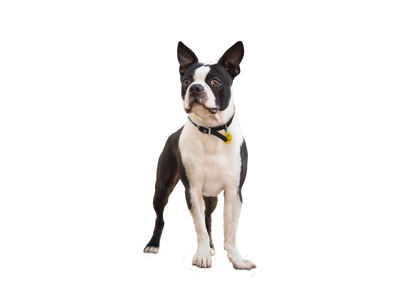
French Bulldogs typically have a short and smooth coat. Standard French Bulldog colours include black, white, fawn and brindle.
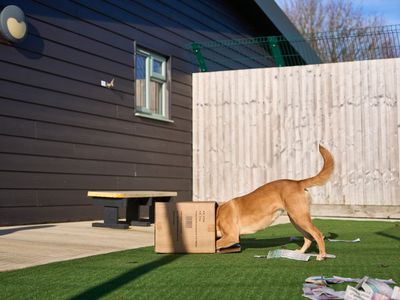
There’s lots of doggy behaviour that comes naturally to all breeds of dog, including French Bulldogs, from digging and chasing to searching and retrieving.
Thinking about giving a French Bulldog or French Bulldog cross a forever home? Here are some French Bulldog facts that might help you decide.
Caring for French Bulldogs
Every dog is different with their own personality and needs. Here are some areas to think about when taking care of a French Bulldog.
Health issues
Before you give any type of French Bulldog or French Bulldog mix a home, it’s important to know about possible health issues. Not every dog will suffer them but it’s good to be prepared.
French Bulldogs are
Show more
Before you give any type of French Bulldog or French Bulldog mix a home, it’s important to know about possible health issues. Not every dog will suffer them but it’s good to be prepared.
French Bulldogs are brachycephalic, which means they have short noses, flat faces, or both. They can struggle with various health issues related to this body shape. Find out more about brachycephalic dogs and potential health problems.
To find out more about potential health issues for French Bulldogs, speak to your local vet. Some vet practices offer ‘pre-purchase consultations’ where you can get advice on potential health conditions, management options and a rough idea of associated costs.
If you’re thinking of buying a puppy, they’ll also be able to give you advice on finding a responsible breeder, as well as testing for inheritable diseases.
Whatever the breed, all dogs need basic preventative health care like vaccinations and flea and worming treatments. You’ll also need insurance to help cover the cost of vet bills.
Signs your dog may be under the ideal body condition
Ribs, vertebrae (spine) and pelvic (hip) bones are prominent or visible and very easy to feel
Not able to feel any fat layer over the ribs
Possible loss of muscle mass
Obviously thin waist
Ideal body condition
Ribs can be felt easily
Minimal or thin layer of fat covering the ribs
When viewed from above, the waist is obviously narrower than the rest of the body
When viewed from the side, the belly tucks in rather than being rounded
Signs your dog may be over the ideal body condition
Ribs are hard or impossible to feel under body fat
Waist is not obvious when viewed from above
Fat deposits at the base of the tail, the neck and on their legs
Rounded abdomen
How much exercise does a French Bulldog need?
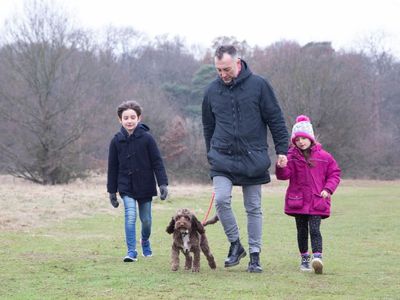
French Bulldogs usually need daily walks, but they might not manage tough exercise like long walks or mountain hikes.
They'll need plenty of time and opportunity to explore, burn energy, and play. Like all dogs,...
Show more
French Bulldogs usually need daily walks, but they might not manage tough exercise like long walks or mountain hikes.
They'll need plenty of time and opportunity to explore, burn energy, and play. Like all dogs, they will need training and will benefit from daily enrichment.
French Bulldogs are also at higher risk of developing heat stroke. Take a look at our warm weather advice for more information.
If you enjoy regular relaxing strolls, this breed could be a great match for you.
Things that you need to think about when exercising your French Bulldog include their:
age
health
personality.
For example, young or growing dogs might need a few shorter walks each day, rather than one long one. Older, injured or ill dogs will have different exercise needs which should be tailored to them based on advice from your vet. Some dogs will need peaceful walks without many other people or dogs around. Others will enjoy meeting new people and play dates with their furry friends.
Check with your vet if you need advice on exercising your dog.
Although French Bulldogs have short fur, they do shed so you'll need to brush them occasionally.
To help your dog feel comfortable with handling and grooming, introduce it in a positive way, one step at a time. ...
Show more
Although French Bulldogs have short fur, they do shed so you'll need to brush them occasionally.
To help your dog feel comfortable with handling and grooming, introduce it in a positive way, one step at a time. Teaching your dog to feel relaxed and confident will make grooming more enjoyable for everyone.
What size crate do you need for a French Bulldog?
When inside their crate, your dog should have plenty of space to:
sit and stand up at their full height
Show more
When inside their crate, your dog should have plenty of space to:
sit and stand up at their full height
turn around without touching the sides
lie down fully stretched out
comfortably wag their tail.
It's important to build up the time dogs spend in their crate gradually and to help them associate it with good things happening.
Even if you think you know about French Bulldogs, it’s important to remember that every dog has their own personality.
What’s the temperament of a French Bulldog?
Just like you, every dog is an individual with their own personality and prior experiences. So every French Bulldog temperament is different. As dogs grow from puppies, they learn all about the world. They develo...
Show more
Just like you, every dog is an individual with their own personality and prior experiences. So every French Bulldog temperament is different. As dogs grow from puppies, they learn all about the world. They develop their own likes and dislikes and learn to respond to situations in different ways.
For example, some dogs might like meeting other dogs and some may not. Some might like new experiences and others may need to go slowly.
You can teach any breed of dog new tricks! It’s all about positive learning. Find out what your dog loves so you can use this to reward them after a success. Whether it’s treats, toys or lots of praise, training with ...
Show more
You can teach any breed of dog new tricks! It’s all about positive learning. Find out what your dog loves so you can use this to reward them after a success. Whether it’s treats, toys or lots of praise, training with rewards is the best way for your dog to learn.
As dogs are clever animals, they need suitable mental and physical exercise so that they don't get bored. Learning useful life skills such as recall, loose lead walking and settling are just as important. This ensures that you and your dog can spend enjoyable time together, both at home and out and about.
Every dog has their own unique personality that has been shaped by their own experiences of the world. They’ll have their own likes and dislikes and will respond to situations in different ways. However, there are som...
Show more
Every dog has their own unique personality that has been shaped by their own experiences of the world. They’ll have their own likes and dislikes and will respond to situations in different ways. However, there are some universal ways to behave safely around them and treat them with respect.