

How to handle your dog
Teach your dog to feel confident being handled and help them cope well throughout their life.

We might not think much about handling our dogs to restrain, groom or medicate them, but they may find it scary, confusing or exciting.
You can help your dog by introducing them to handling in a gradual and positive way. Teaching your dog to feel relaxed and confident with all different types of handling will give them the best chance of coping well throughout their life.
Comfort and safety
When introducing handling, it’s important to recognise the signs that your dog may be feeling uncomfortable and to respond appropriately. Take a look at our guide to understanding your dog’s body language.
If a dog is relaxed and confident being handled, they will choose to remain with you while you hold and look at different parts of their body. There should be no tension within their face or body, and they should be happy to cooperate with you.
If you notice any signs that your dog is becoming uncomfortable about how you are handling them, then stop.
My dog’s not happy being handled, what should I do?
If your dog has an established fear of handling or shows signs of aggression, speak to your vet. If they are in pain, they are more likely to show fear and respond aggressively to be handled. So it’s important to check if they have a health issue. If they’re well but still not happy to be handled, your vet will be able to refer you to an accredited behaviourist for individual support.

Finding behaviour and training support
Need help with your dog? Find out the difference between a trainer and behaviourist so you know who to approach.
How to introduce handling to your dog
- 1
Keep sessions short but frequent
Introduce handling gradually and gently at home, in a quiet area where your dog feels comfortable. Only practise handling when you and your dog are both feeling relaxed.
- 2
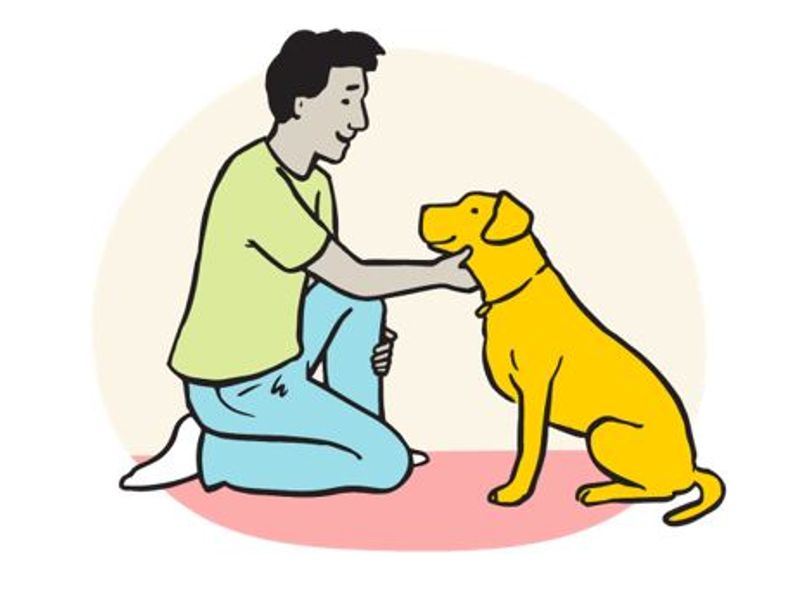
Gently stroke your dog
Start by gently stroking your dog on a part of their body where they’re used to being touched and where you know they enjoy it – this will be different for every dog.
Show detailsStart by gently stroking your dog on a part of their body where they’re used to being touched and where you know they enjoy it – this will be different for every dog.
- 3
Touch other parts of their body
Then you can move on to briefly touching other parts of their body. You could introduce a verbal cue such as “let me see” before you handle your dog, so they can learn what to expect.
- 4
Reward them
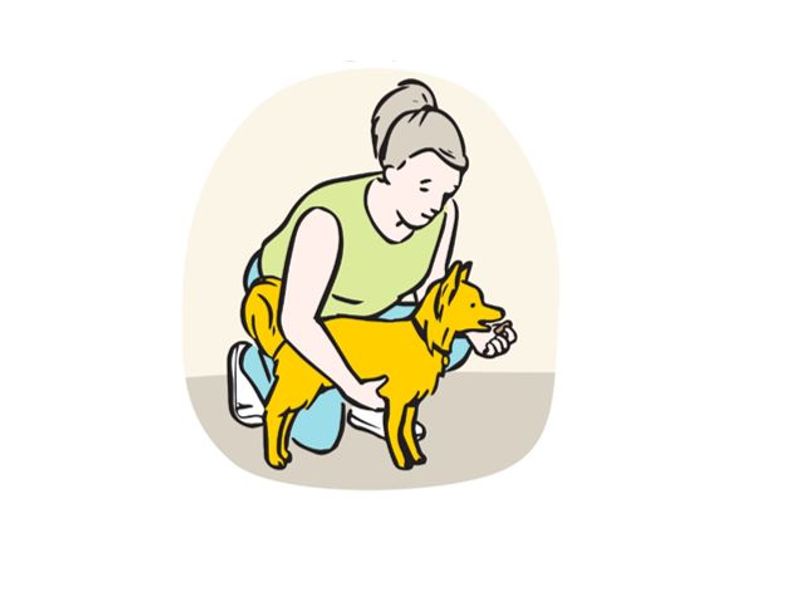
Give your dog a tasty treat just after you have touched a part of their body. Touch their side, remove your hand, give them a treat, and then repeat.
But remember that some areas are more sensitive than others. Your dog will soon learn that being touched means they’re...
Show detailsGive your dog a tasty treat just after you have touched a part of their body. Touch their side, remove your hand, give them a treat, and then repeat.
But remember that some areas are more sensitive than others. Your dog will soon learn that being touched means they’re about to get a delicious treat and they will learn to see it as a good thing.
- 5
Build up time
You can then start to build up the time that you handle each body part.


More tips for happy handling
Keep your handling gentle and relaxed. Handle each part of your dog’s body by moving it as naturally as possible, and go at their pace.
Always examine your dog’s body in the same order. They will know exactly what to expect which will give them confidence.
Introduce new locations. When you’re able to handle different parts of your dog’s body, you can start to practise in different locations. Start by varying the places your practice inside your home, then progress to different quiet locations outside. It’s important that your dog feels confident being handled outside the comfort of their own home. When you do this, you will need to go back to the beginning to start building their confidence again.
Introduce new people. It’s useful for other people to be able to handle your dog too, and build up to this in the same gradual way. Go back to the beginning and start with a gentle fuss in a place your dog enjoys being touched, and always reward them with treats. Give the person clear instructions on how to touch your dog, exactly where and for how long.
Veterinary handling at home
Teaching your dog that being examined is okay and will help them to have happier vet visits. The more preparation you can do in advance, the better.
To help your dog feel more comfortable at the vet clinic with certain examinations, take a look our useful advice and guidance below.

How to keep your dog still at the vets

How to give your dog tablets

How do I treat my dog for fleas?

How to give your dog ear or eye drops
Grooming equipment
You might want to introduce grooming equipment to your dog. This is a good idea if they have long hair or a curly coat. Make sure you are using equipment that is best suited to your dog’s coat type. Starting with a very gentle, soft brush can be useful.
Start by placing the brush onto your dog’s body for a moment, then removing it and giving them a treat. Continue with the step-by-step process as slowly as you did when introducing your handling. If your dog shows any signs of worry, then stop and give them a break. Go back to a stage at which they were relaxed and progress more slowly.
Related articles

How to have a happy vet visit

How to teach your puppy to be comfortable at the vet
