

What to take to the vets and how to get there
Find out how what to take to the vet and how to get there to ensure your trip is as stress-free as possible.

Taking your dog to the vet can be stressful for both you and your dog, but it doesn’t have to be. Follow our handy checklist to help give you the best experience possible.
What to take with you to the vet
- 1
List of questions
Start jotting down questions as soon as you’ve booked your appointment, so you don’t forget to ask everything you want to while you’re there. This will also be useful if someone else has to take your dog to the vet for you.
Show detailsStart jotting down questions as soon as you’ve booked your appointment, so you don’t forget to ask everything you want to while you’re there. This will also be useful if someone else has to take your dog to the vet for you.
- 2
Medication
Your dog’s current medication in case your vet decides to change it.
Show detailsYour dog’s current medication in case your vet decides to change it.
- 3
Muzzle (if you need one)
If your dog needs to wear a muzzle during the appointment, it is better if it’s theirs, as it will be familiar. It should also fit comfortably and might be a different type to those available in the clinic.
Show detailsIf your dog needs to wear a muzzle during the appointment, it is better if it’s theirs, as it will be familiar. It should also fit comfortably and might be a different type to those available in the clinic.

- 4
Short lead
You’ll need a soft and comfy lead (not a long or retractable one), to keep your dog under control and prevent them from tangling or tripping anyone up.
Show detailsYou’ll need a soft and comfy lead (not a long or retractable one), to keep your dog under control and prevent them from tangling or tripping anyone up.

- 5
Blanket
Having their own blanket can help your dog settle in the waiting room. Take a blanket that you are happy to leave at the clinic with your dog if they are admitted, so their kennel will smell familiar.
Show detailsHaving their own blanket can help your dog settle in the waiting room. Take a blanket that you are happy to leave at the clinic with your dog if they are admitted, so their kennel will smell familiar.

- 6
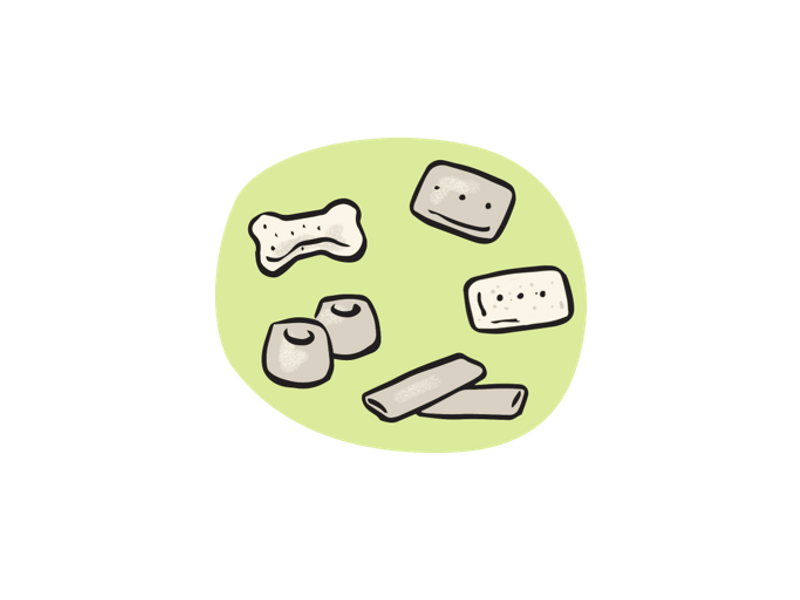
Food or treats
Take along some treats as the clinic might not have their favourites. A tube of squeezy-cheese or a pot of meat or fish paste might provide a longer-lasting distraction during the appointment. You could let your dog lick this from a mat, or a food releasing toy while they’re...
Show detailsTake along some treats as the clinic might not have their favourites. A tube of squeezy-cheese or a pot of meat or fish paste might provide a longer-lasting distraction during the appointment. You could let your dog lick this from a mat, or a food releasing toy while they’re being examined.
- 7
Photo and videos of your dog
Your dog’s symptoms, like a limp, might be easier to see in photographs or videos taken while they’re relaxed at home. Bringing some videos could reduce the amount of time the vet needs to handle your dog at the clinic. Don’t put your dog into a situation they find...
Show detailsYour dog’s symptoms, like a limp, might be easier to see in photographs or videos taken while they’re relaxed at home. Bringing some videos could reduce the amount of time the vet needs to handle your dog at the clinic. Don’t put your dog into a situation they find uncomfortable simply to be able to show their problem to the vet; only do so if you have a natural opportunity and your dog is relaxed.



Travelling to the vet
Ever feel as though your dog knows when they’re going to the vet? Well, chances are, they do. There is likely something about the way you’re behaving, or the route you’re taking, that makes your dog realise this is no ordinary walk or car trip. Dogs are experts at picking up on environmental clues around them. If they’re generally worried about visiting the vet and they start to become anxious on the way there, then it’s likely they know where they are going. For tips on how to tell if your dog is anxious, check out our guide to dog body language. Here are some ways to keep your dog calm when travelling to the vet:
- 1
Keep calm
This shows your dog that they can look to you for guidance and reassurance.
- 2
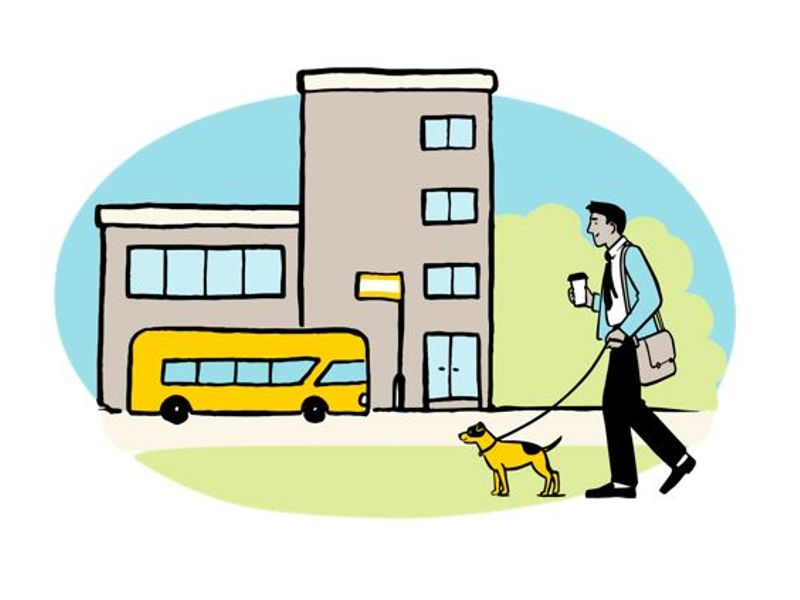
Walking
If you are walking, plan your route to avoid situations your dog might struggle with or find distracting, like noisy school playgrounds or busy bus stops. The calmer the walk, the calmer your dog is likely to be. Leave plenty of time so you're not rushing and if your dog...
Show detailsIf you are walking, plan your route to avoid situations your dog might struggle with or find distracting, like noisy school playgrounds or busy bus stops. The calmer the walk, the calmer your dog is likely to be. Leave plenty of time so you're not rushing and if your dog wants to stop and have a sniff along the way you don’t need to hurry them.
- 3
Driving
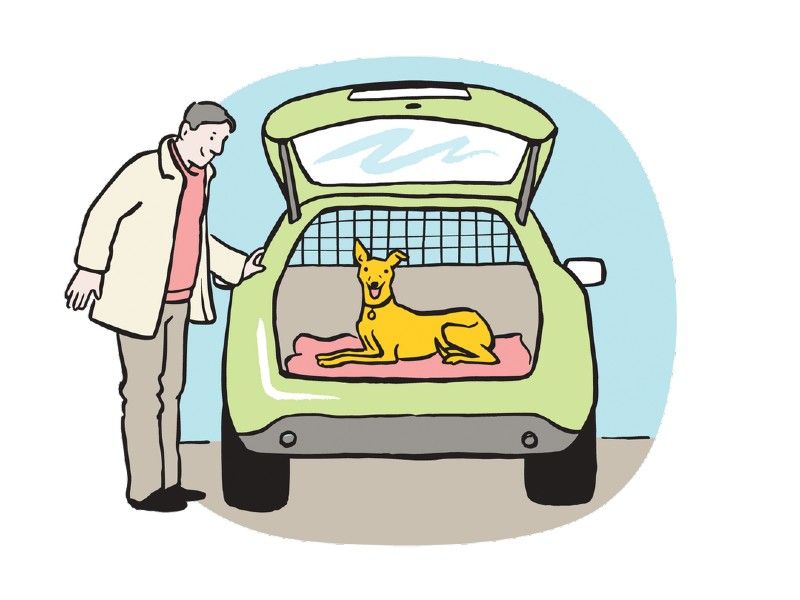
If you are driving, make sure you follow the Highway Code; dogs must be suitably restrained so they can’t distract the driver or risk injuring anyone or themselves if the vehicle stops suddenly. Seat belt harnesses, pet carriers, dog crates or boot-guards are considered...
Show detailsIf you are driving, make sure you follow the Highway Code; dogs must be suitably restrained so they can’t distract the driver or risk injuring anyone or themselves if the vehicle stops suddenly. Seat belt harnesses, pet carriers, dog crates or boot-guards are considered safe means of restraining animals in cars to create a safe space for your dog. Take your dog for a short walk before going inside the clinic. This will let them de-stress from the journey, stretch their legs, have a sniff around and go to the toilet.
- 4
Cab/Taxi
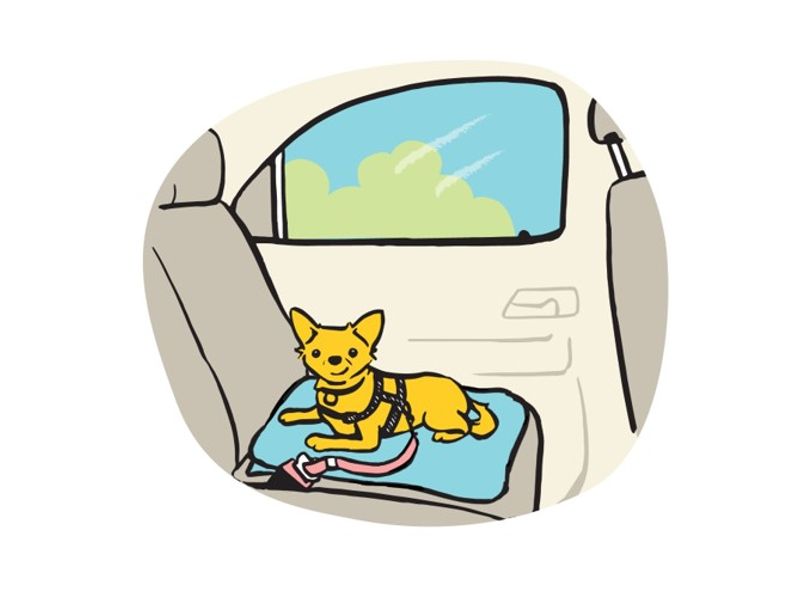
If you are taking a cab, you need to get your dog used to travelling in the car, perhaps with a familiar item — like a blanket or toy.
Show detailsIf you are taking a cab, you need to get your dog used to travelling in the car, perhaps with a familiar item — like a blanket or toy.
- 5
Bus
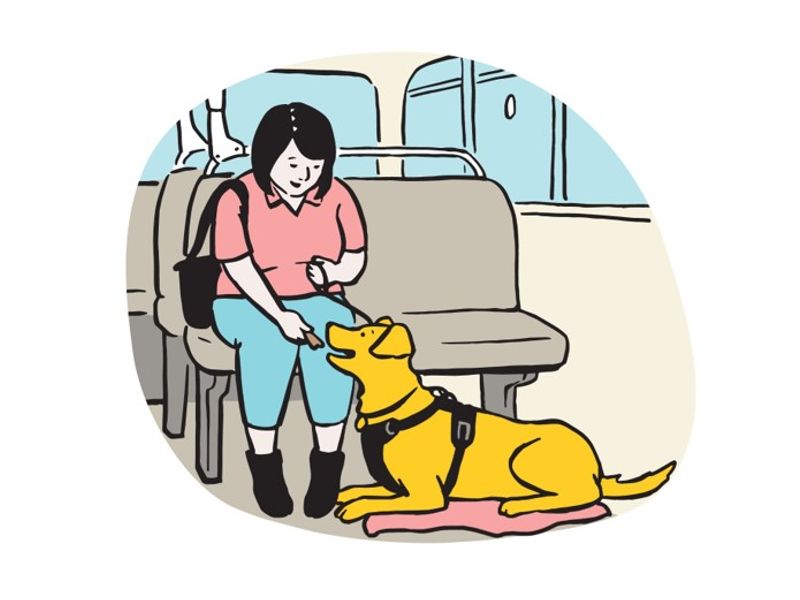
If you are using public transport, try to sit away from doorways, walkways, stairwells, and any other passengers. Even the friendliest dog might not want to interact with strangers when they’re travelling or feeling unwell. Plan ahead so you know your route, stops and stations.
Show detailsIf you are using public transport, try to sit away from doorways, walkways, stairwells, and any other passengers. Even the friendliest dog might not want to interact with strangers when they’re travelling or feeling unwell. Plan ahead so you know your route, stops and stations.
- 6
Train
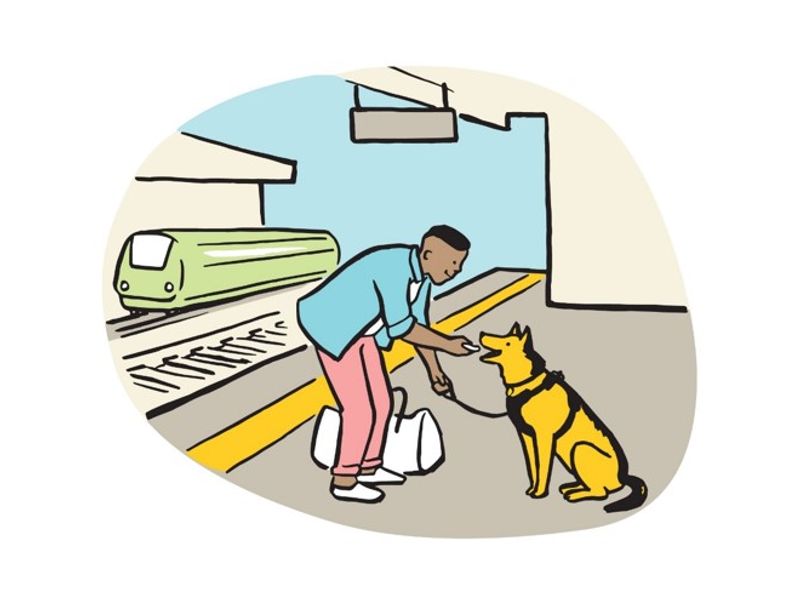
If you’re travelling by train or underground, use the same steps as above, but also try and use stations with lifts, especially if you have a large dog who cannot be comfortably or safely carried. Remember dogs must be carried on escalators to avoid risking severe injury....
Show detailsIf you’re travelling by train or underground, use the same steps as above, but also try and use stations with lifts, especially if you have a large dog who cannot be comfortably or safely carried. Remember dogs must be carried on escalators to avoid risking severe injury. Teach your dog to feel comfortable being picked up and carried.


Related articles

How to teach your puppy to be comfortable at the vet

How to have a happy vet visit
